
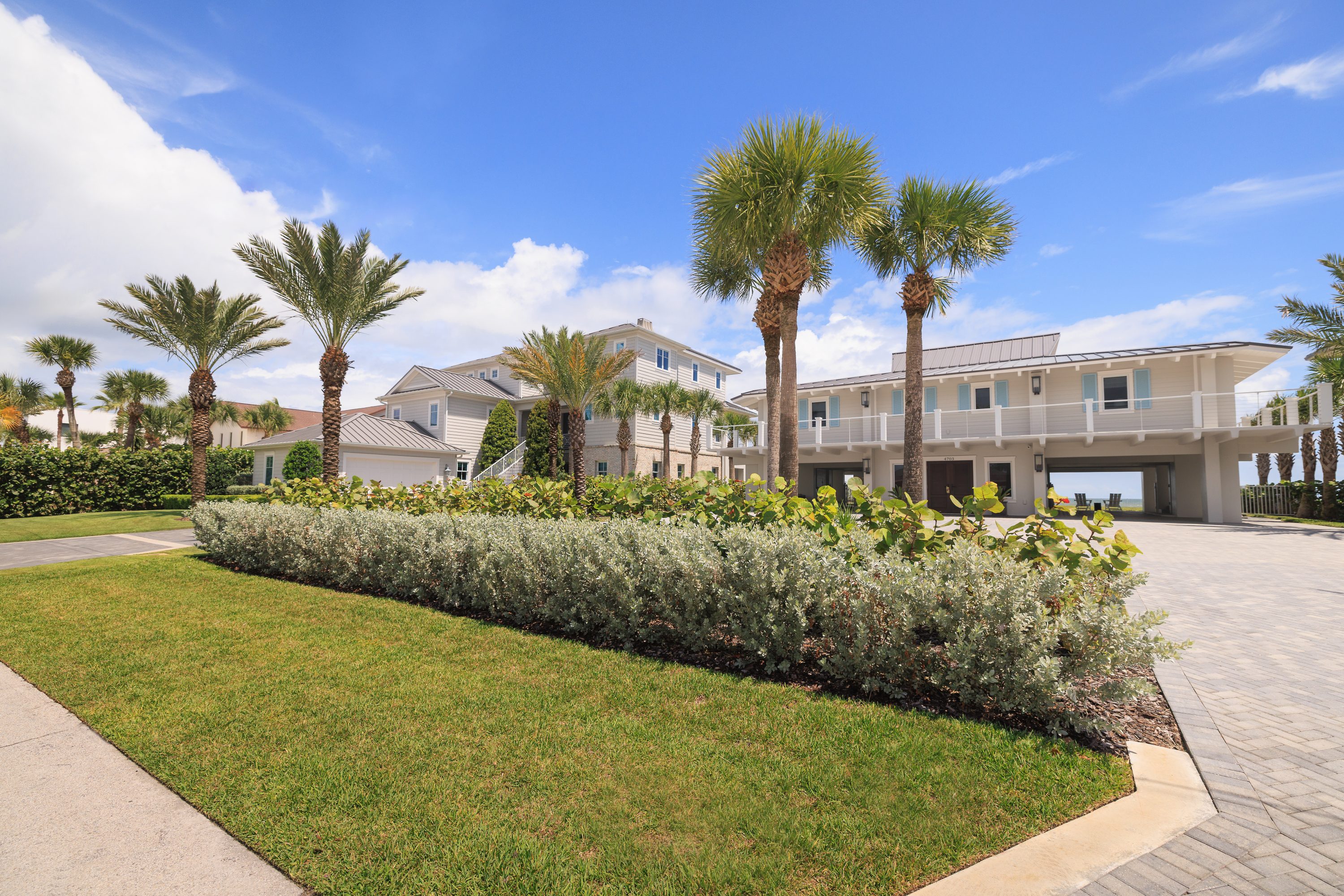
You can install all the right elements and still end up with a landscape that feels… off.
The plants are there. The hardscape is in place. The irrigation works. On paper, everything checks out. But when you actually walk the property, it doesn’t feel complete.
That gap is where most landscapes fall short.
Because a finished landscape isn’t defined by what’s included. It’s defined by how everything works together, both visually and functionally, over time.
It’s Not About Adding More, It’s About Connecting Everything
A common instinct is to assume something is missing. Another plant. Another feature. Another layer of detail.
In reality, most unfinished landscapes already have enough. What they lack is connection.
Elements exist, but they don’t relate to one another. A seating area might feel slightly detached from the surrounding planting. A walkway might lead somewhere but not quite integrate into the larger space. Even well-chosen materials can feel isolated if they aren’t carried through in a thoughtful way.
A finished landscape creates continuity without forcing it. There’s a natural flow from one area to the next, and nothing feels like an afterthought. This level of cohesion isn’t accidental; it’s considered from the earliest stages of design.
The Role of Layering
Flat landscapes feel temporary. Layered landscapes feel established.
This difference comes from how depth is built into the space. Not just in plant height, but in how textures, densities, and spacing interact with each other.
In Florida, this matters even more. Growth happens quickly, and without structure, landscapes can go from clean to overgrown in a short amount of time. Thoughtful layering creates a framework that holds as the landscape matures, so it continues to look intentional rather than uncontrolled.
It’s not about adding more material. It’s about placing the right elements in the right relationship to one another.
Transitions Are Where Most Designs Fall Short
The most overlooked parts of a landscape are often the areas in between.
Where one material meets another. Where turf meets planting. Where a pathway changes direction or purpose. These are small moments, but they carry a lot of weight.
When transitions are abrupt or unresolved, the entire space feels fragmented. Even if each individual section is well done, the overall experience feels disconnected.
When handled correctly, transitions fade into the background. Movement feels natural. The space unfolds in a way that makes sense without needing explanation.
Lighting Changes Everything After Sunset
A landscape that only works during the day is incomplete by default.
In Florida, outdoor spaces extend well into the evening. Without lighting, the design essentially disappears once the sun goes down. With the right approach, the landscape takes on a completely different presence.
Lighting adds dimension, highlights structure and allows key elements to carry through after dark. It also introduces a level of subtlety, where not everything is fully illuminated, but everything is still understood.
Done well, it doesn’t feel like lighting was added. It feels like the space was always meant to exist that way.
Consistency Without Repetition
There’s a balance between cohesion and variety that defines whether a landscape feels refined or rigid.
Materials, plant selections, and design details should relate to each other, but not repeat in a way that feels predictable. Too much variation creates visual noise. Too much consistency makes the space feel flat.
A finished landscape finds the middle ground. There’s a clear identity, but enough variation to keep it engaging from different angles and at different times of day.
Why “Finished” Is a Feeling, Not a Checklist
There isn’t a final step where a landscape suddenly becomes complete.
It’s the result of decisions building on each other from the very beginning. How the space is laid out.
How materials are selected. How planting is structured. How everything is expected to evolve over time.
Two properties can have similar features and completely different outcomes. One feels installed, the other feels finished.
The difference comes down to intention behind every detail, including the ones most people never consciously notice.
Bringing It All Together
At Coastal Landscapes, the focus isn’t just on installing individual elements, it’s on creating a landscape that feels complete the moment it’s experienced and continues to hold that feeling as it matures.
This comes from understanding how each part of the property works together, both above and below the surface, and making sure nothing is left unresolved.
If your landscape feels like it’s almost there but not quite, it’s usually not about adding more. It’s about refining what’s already in place and bringing it together the right way.
To start that conversation, give Coastal Landscapes a call at (386) 428-6788 or visit coastallandscapesflorida.com to learn more about how we approach design, installation, and long-term performance.