
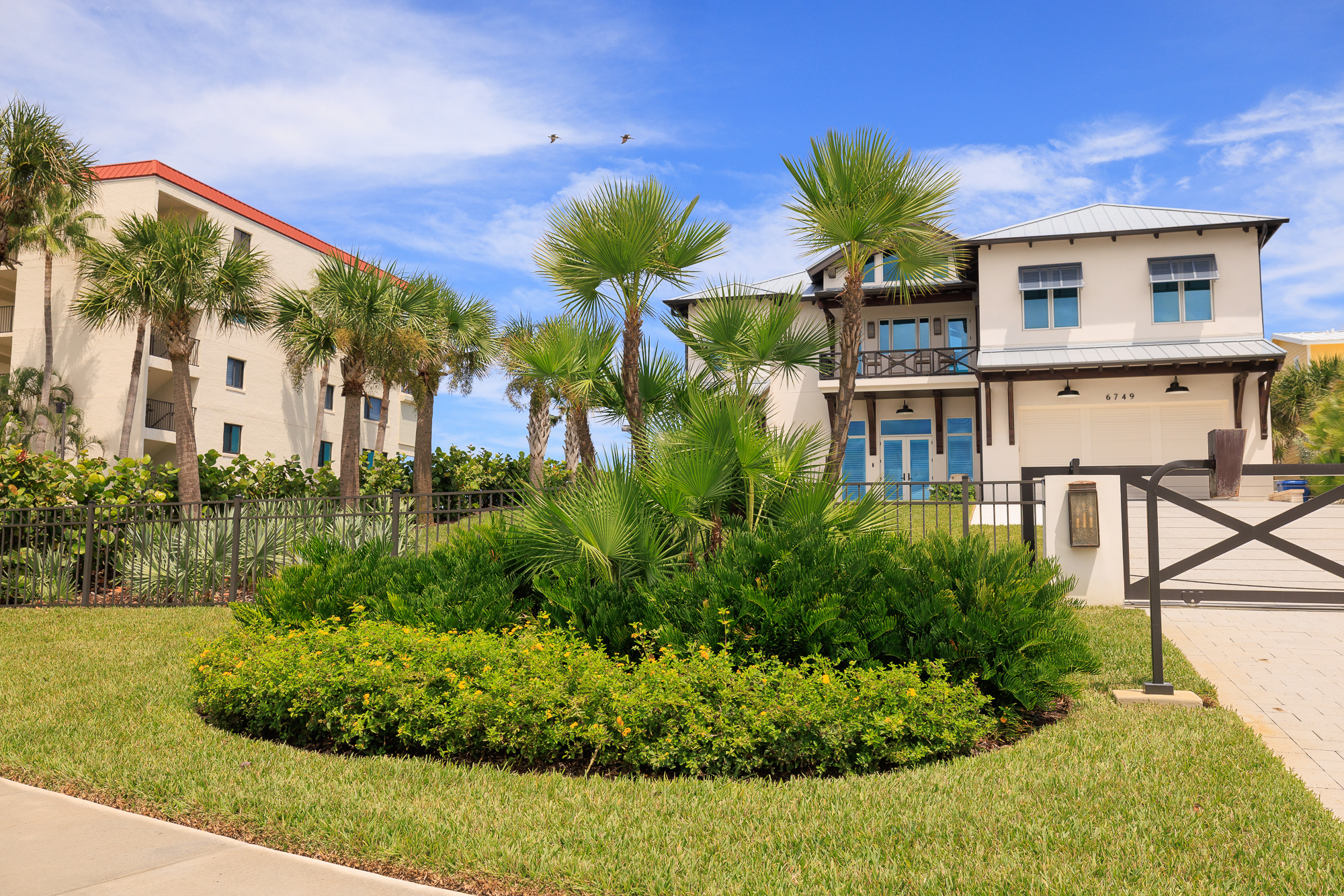
How Florida Cold Fronts Really Impact Your Landscape
In Florida, winter rarely arrives quietly. One week your landscape is thriving in warmth and humidity. The next, a sharp cold front rolls through Central Florida, temperatures drop overnight, and suddenly lawns lose color and tropical plants look fatigued.
These quick temperature swings are not just uncomfortable for people. They create real stress for landscapes that were growing steadily just days before.
Cold fronts in Florida are defined by shock. A rapid drop in temperature forces plants and turf to shift from active growth into protection mode almost immediately. That visible change, whether it shows up as browning turf or wilted foliage, is a response to stress, not an automatic sign of failure.
Understanding that distinction is critical.
What Cold Stress Actually Looks Like
When a cold snap moves through Volusia County or surrounding areas, turfgrass often shifts color as growth slows. This temporary dormancy can appear dramatic, especially in lawns that were vibrant green just days prior. However, the root system beneath the surface is often intact and waiting for consistent warmth to resume growth.
Tropical plant varieties tend to show the most visible signs of stress. Leaves may develop burn marks or curl at the edges. In newly installed landscapes, this reaction can look alarming. Yet in many cases, the damage is cosmetic and limited to the outer growth.
The greater risk is not always the temperature itself. It is how quickly the change occurs. Florida’s rapid transitions give plants little time to acclimate, especially those that were actively pushing new growth during a warm stretch.
Why Overcorrecting Can Make It Worse
After a cold front, the instinct is often to cut everything back, increase irrigation, or immediately replace affected plants. In reality, reaction without evaluation can compound stress.
Pruning too early may remove viable growth that would have recovered naturally. Overwatering turf that is already slowed by temperature can create additional root strain. Replacing plants before assessing root health may solve the cosmetic issue while ignoring the larger environmental factor that caused it.
A strategic recovery process begins with observation. Soil condition, drainage, sun exposure, plant maturity, and irrigation timing all influence how quickly a landscape rebounds. A property near the coast will respond differently than one farther inland. Areas with proper grading and healthy root establishment often recover far more quickly than properties where those fundamentals were overlooked.
Cold fronts reveal the strength of the foundation beneath your landscape design.
Designing for Resilience in Central Florida
The most effective response to winter weather is long term preparation. Climate responsive plant selection, thoughtful layering, proper drainage, and irrigation systems calibrated for seasonal shifts all contribute to a landscape that absorbs stress without dramatic decline.
Resilience is not accidental. It is designed.
A professionally planned coastal landscape accounts for Florida’s unpredictability from the beginning. It balances aesthetics with performance, ensuring that tropical beauty is supported by structural strength and horticultural expertise.
Winter in Florida may be brief, but its impact can linger. The right approach ensures your landscape moves into spring prepared, stable, and ready to thrive.
If your property is showing signs of cold stress, or if you want a landscape designed to handle Florida’s swings with confidence, Coastal Landscapes brings the experience to evaluate, restore, and strengthen your outdoor investment.